
Jenny Barber survived the world of human exploitation and is helping others escape, too, one cup of coffee at a time.
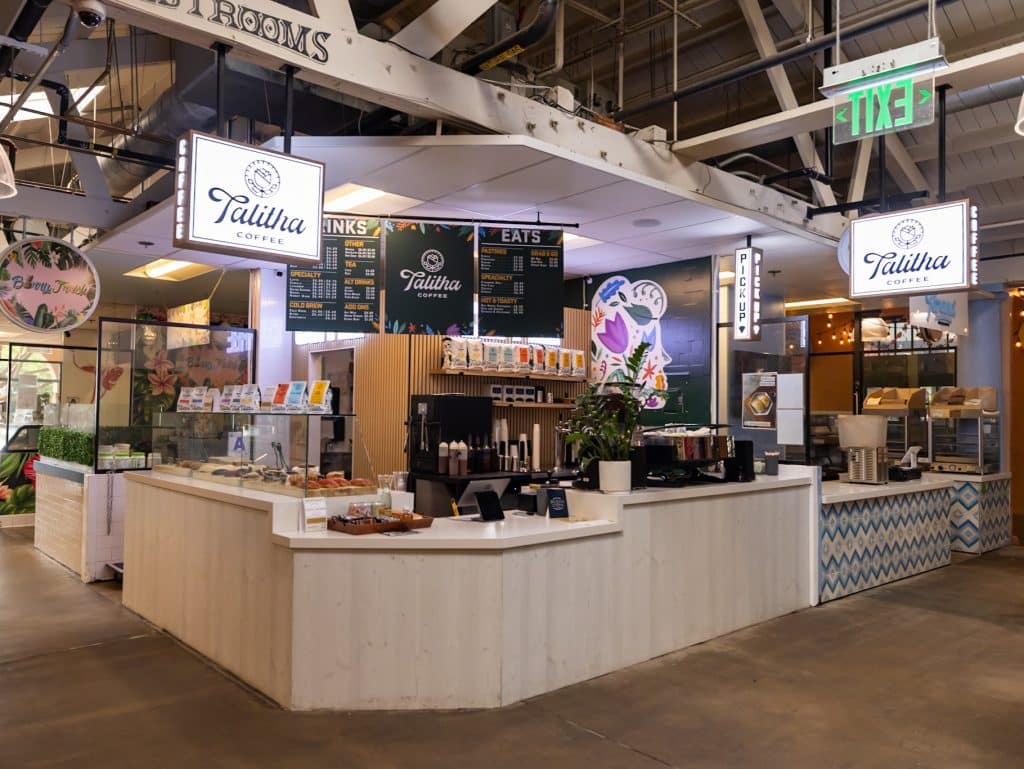
She and her husband co-founded Talitha Coffee Roasters. The flagship store is in Liberty Public Market and the roastery is on National Avenue in Barrio Logan.
Jenny is the Director of Impact and Robert Barber is the Coffee Program Manager. The couple aim to reduce human trafficking by employing survivors through a referral network and providing them with the necessary resources to stay self-sufficient.
By partnering with various organizations and nonprofits, Talitha Coffee Roasters is able to provide other necessary services within the referral network: education, legal care, health care and anything survivors may need for effective rehabilitation.
Survivors are also given work experience for reintegration into the workforce and are priority hires at Talitha Coffee Roasters.
“It takes an average of seven attempts for them to leave,” Jenny says. “We believe that if we put in place the systems and structures to help support them, we can see that reduced to one attempt.”
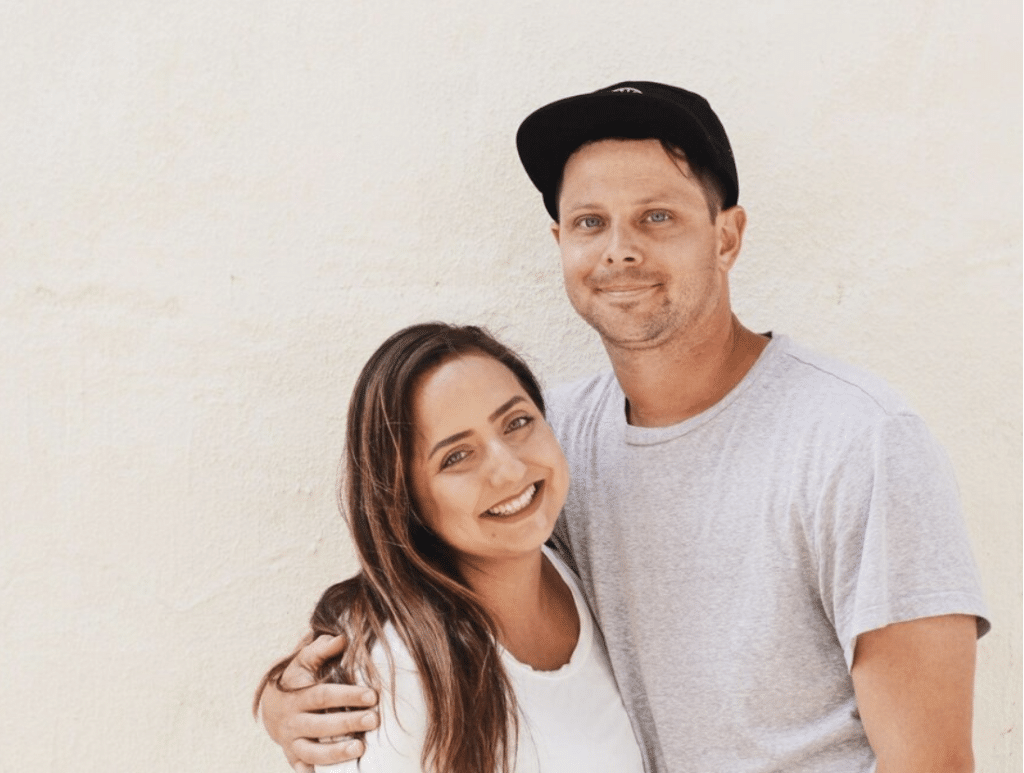
Jenny was caught in the world of exploitation at an early age. It took years for her to overcome the systemic trauma she faced as a young girl and a teenager.
“They say about 90% of victims face child abuse,” Jenny says. “In my teenage years, I faced a lot of addiction…and people continued to profit off of my exploitation.”
Her proximity to other victims at the time, living in similar environments of abuse, made it believable that her own exploitation was normal. It was tough to move away.
That changed after her 18th birthday when Jenny found a way out of the narrative.
“I had a moment of breaking free from all of that,” she says. “Reaching out to people who had been very persistent in my life, pursuing me and speaking value into my life and continually reaching out…I found that moment where I reached back and asked for help.”
With community support from trusted individuals, Jenny began to see a path for herself – one of helping to empower others and bring them to a life free from the “victim” label.
Jenny immersed herself in anti-trafficking work in Los Angeles.
“I found freedom in my life and I wanted to see freedom come to other people as well,” she says.
She met Robert in 2011. Both were working in anti-trafficking campaigns in parts of L.A., like Compton, where trafficking and exploitation occurs at a high rate.
California consistently has one of the highest human trafficking rates in the United States, with 1,334 cases reported in 2020, according to World Population Review.
The majority of people in California affected by sex trafficking are adult females, according to the National Human Trafficking Hotline. Average age of entry varies by location. Jenny saw lots of people entering trafficking between the ages of 11 and 15.
Victims of sex trafficking face a variety of barriers to getting out. They may have limited educational or workforce opportunities. Some have criminal records they aren’t aware of.
Jenny saw that roughly 80% of trafficking victims who tried to get out returned to exploitation.
“I began to get really frustrated because I saw women leaving the streets, the porn industry and the strip clubs, and they would go through a recovery program only to come right back to us within a matter of months,” she says.
Despite adversity, Jenny and Robert continued in advocacy work.
A friend introduced Robert to coffee roasting in 2014.
“I started roasting coffee on the stovetop,” he says. “And I thought, ‘Having fresh roasted coffee is just different than store-bought coffee.’ That’s when we had the light bulb moment. Before I could really think about it, she bought me a $5,000 roaster online and said ‘Hey, we’re doing this, right?’”
At first, Robert roasted coffee for friends and family. Operations ran via word of mouth. But soon, Talitha Coffee Roaster’s network grew into a tangible resource to help engage the community.
The Barbers’ initial goal was to hire at least 1,000 survivors. With the help of friend and CEO Mike Glanz, the company grew through acquisition and consolidation.
To date, the company has impacted more than 4,224 survivors.
Partners like the nonprofit J180 have helped train staff on becoming more alert to instances of potential trafficking and survivors’ past traumas.
According to Talitha Vice President of Product and Growth Mark Becklund, community collaboration is key to successfully ending trafficking, because it can be anywhere.
“You see something like trafficking and think, ‘Oh man, yeah–that’s such a problem in Thailand.’ The truth is that it’s happening here,” Becklund says. “How do I make an impact? It’s through support…You can make a significant impact in your community by choosing where your dollars go.”
The company has one physical location and one roastery but its impact in the community is widespread. Talitha sells coffee online and is being picked up by a growing number of shops.
“Every single bag, every single cup that is sold is directly going towards bringing hope to survivors,” Jenny says. SDSun