This article has been edited to note the dates for previous MTS rate increases
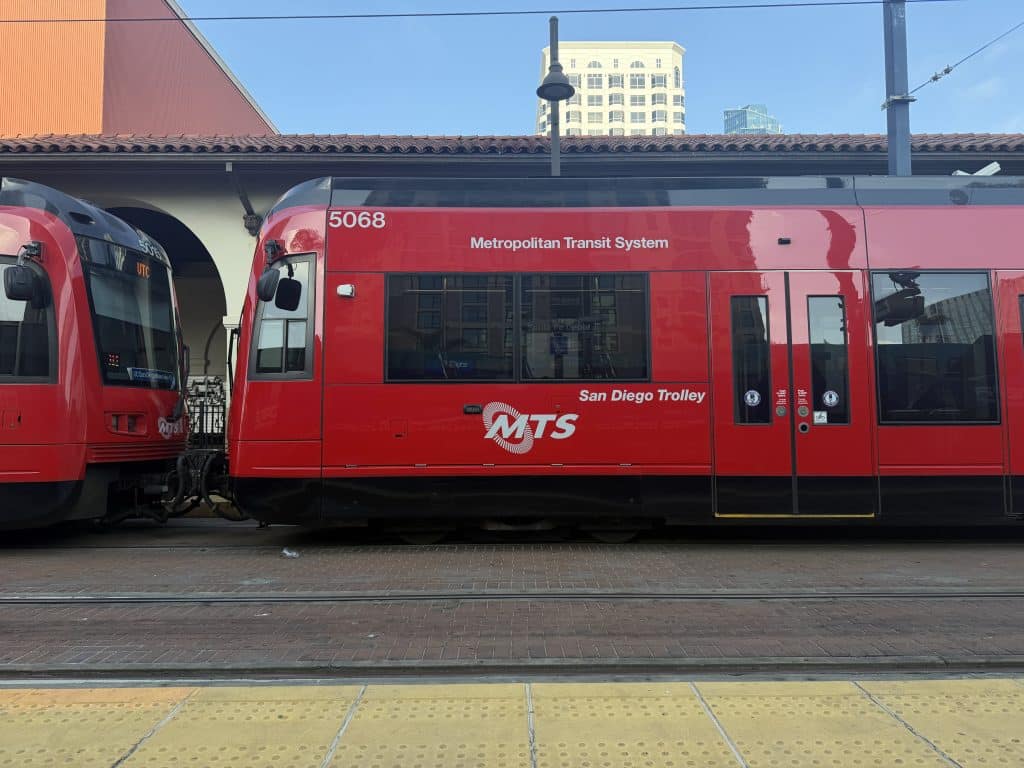
For the first time since 2019, San Diego public transit riders will face a rate hike to ride buses and trolleys (a previous increase came in 2009). At the same time, the Metropolitan Transit System has proposed freezing fares for qualifying low-income riders.
Still, the increase has still sparked concerns about affordability for many regular commuters.
The San Diego Association of Governments (SANDAG) has approved a fare increase that will raise the cost of a one-way MTS ride by 2027. The increase will occur in two phases, with fares rising from $2.50 to $3 this fall and $3.50 in 2027. According to MTS, the increase is intended to help offset budget shortfalls, system maintenance expenses and rising workforce costs.
The fare increase could be particularly noticeable downtown, where San Diego’s trolley network converges. The Blue, Orange and Green lines all run through downtown stations, making stops such as Fifth Avenue and America Plaza key transfer points for thousands of riders each day. MTS reports approximately 250,000 passenger trips systemwide on an average weekday.
MTS has suggested measures to help offset the increase for some riders. In June, the MTS Board advanced a plan to freeze fares for low-income riders enrolled in programs such as CalFresh, CalWORKs and Medi-Cal. The agency also offers reduced fares for seniors, riders with disabilities, Medicare recipients and youths. The Youth Opportunity Pass allows eligible riders 18-and-under to use MTS and North County bus and train services at no cost.
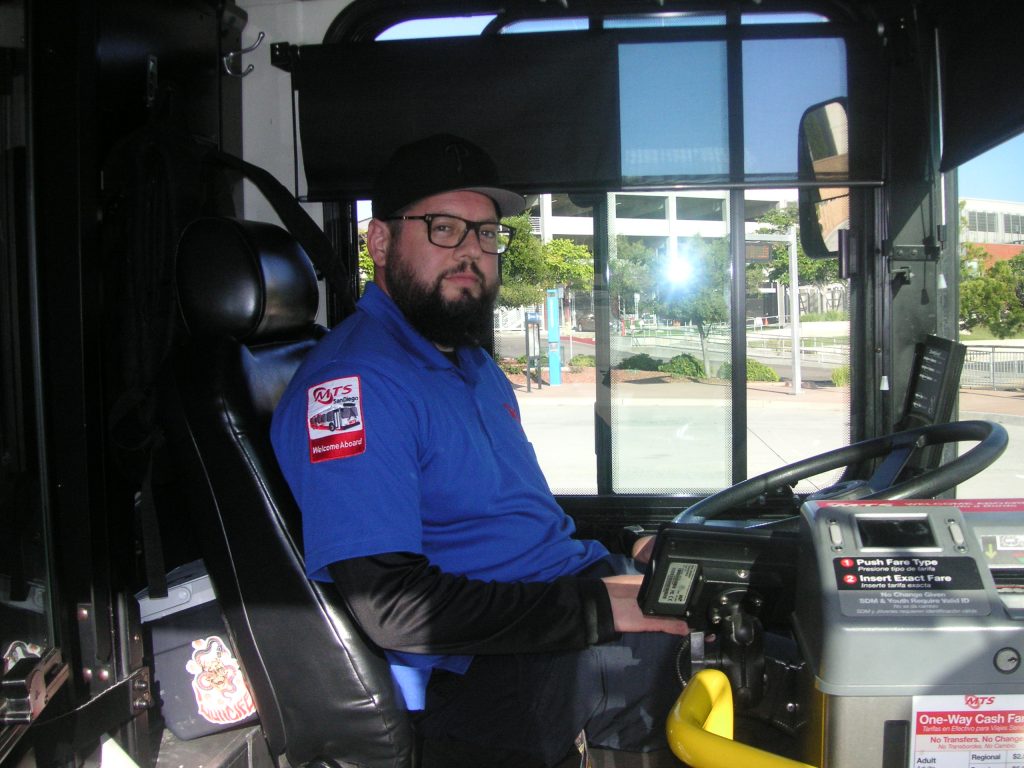
Shane Hough, a San Diego native who has driven MTS buses for eight years, said the increase reflects the reality of rising costs across the region.
“I mean, it makes sense, with the cost of gas rising and the budget cuts,” Hough said. “Everything is going up in price. It only makes sense that this does too — and in comparison, 50 cents doesn’t feel like such a big deal.”
Vince Velasco, who has ridden MTS for two and a half years, uses public transit to commute to work at Kaiser and travel to destinations like Petco Park and the Del Mar Fairgrounds. Velasco suggested fare evasion may have contributed to the agency’s financial challenges.
“They already have a problem with freeloaders that don’t pay,” Velasco said. “People that just take advantage of the system.”
Velasco said the increase is not a significant concern. “I have the monthly pass, so you ride for a couple weeks or so and it pays for itself,” he said.
Monthly passes are also scheduled to increase from $72 to $85 this fall and to $95 by 2027.
Not all riders are unconcerned about the fare hike.
At the Fifth Avenue Trolley Station, Raidyn Marshall, who has used MTS for four years and rides three to four days a week, said he often sees riders struggling to afford the current fare.
“Almost every time I use transit, there’s multiple adults struggling to pay the $2.50 fee and many more children who can’t afford the full fare,” Marshall said.
Marshall lives in El Cajon and often travels to downtown San Diego for work and recreation. He believes transportation costs can create barriers for those without access to a car.
Although he’s able to afford transit costs, Marshall worries the increase will disproportionately affect low-income riders and young people who depend on public transportation.
“I think the fare increase is going to make transit a lot less accessible for everyone,” Marshall said. “I think it’s important that transit is accessible to everyone because San Diego is so spread out.” SDSun