Vision, governance and financing were overriding concerns about the future of Balboa Park at a Friends of San Diego Architecture lecture held in the park’s San Diego History Center on September 19.
As reported last week in The San Diego Sun, veteran stakeholders are skeptical of city efforts to update the Balboa Park Master Plan. The city is scheduled to release its updated plan in 2028.
San Diego’s 1,200-acre “crown jewel” is in need of an estimated $1 billion in deferred maintenance while new projects are also being considered for Balboa Park.
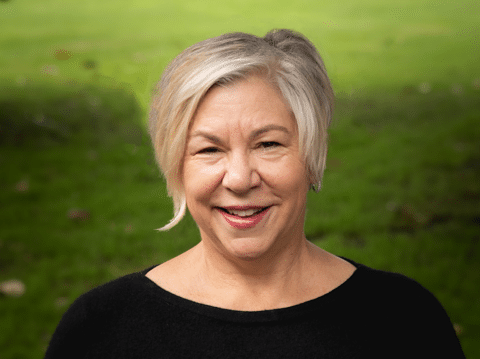
One of FSDA’s invited speakers was Vicki Estrada, original author of the park’s 1989 Master Plan, as well as a more-detailed 1992 Precise Plan.
She says those plans are full of non-implemented projects that don’t call for new studies by city consultants.
“You don’t have to start from scratch,” Estrada said.
Estrada’s top five priority projects are:
- Completing the rehabilitation of the Palisades area, which encompasses the Starlight Bowl, San Diego Automotive Museum and other institutions, to convert parking spaces to park space (with replacement parking built elsewhere).
- Building already approved garages — such as the San Diego Zoo’s Promenade underground garage along Park Boulevard and beneath the Spreckels Organ Pavilion parking — and upgrading the park’s existing shuttle system.
- Building a 1,200-foot pedestrian bridge connecting Golden Hill Park at 26th and A streets on the east side of the park to Inspiration Point on Park Boulevard at Presidents Way to improve non-car access from eastern neighborhoods.
- Restoring Florida Canyon to its natural state and closing Florida Drive.
- Replacing the 20th and B street city operations yard with recreational and other park uses.
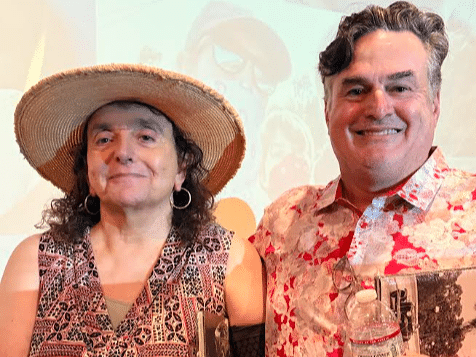
There was no lack of ideas emanating from the audience at the FSDA meeting.
The organization’s other invited speaker was veteran urban planner Howard Blackson. He noted that unlike Mission Bay Park, Balboa Park doesn’t have guaranteed sources of income, such as lease revenue.
“We have a champagne taste on a beer budget,” Blackson said.
Most nonprofit museums in Balboa Park do not pay rent and do not receive city subsidies. The museums pay for much of their own building’s daily maintenance, with the city on tap for overall park maintenance.
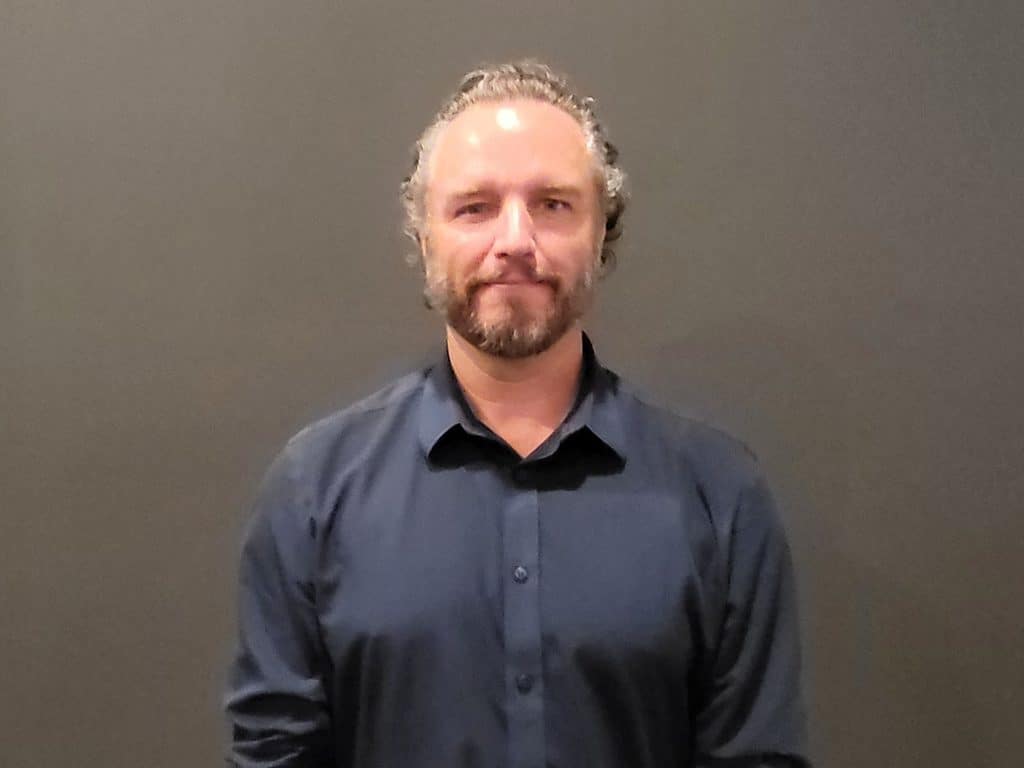
Blackson introduced political consultant Andy Kopp, author of a potential 2028 ballot measure that would aim to raise $1 billion from a city parcel tax. Half would be devoted to deferred maintenance projects and the other half to new projects.
Kopp, who is the founder/director of PlatformUS, described the potential ballot measure as being similar to a school bond. The ask could be anywhere from $3.50 up to $23 per $100,000 assessed property value, a tax that would directly fund Balboa Park needs.
San Diegans have shown no desire to vote to raise taxes in recent elections. However: Since 1934, the San Diego Zoo has received a property-tax subsidy collected by the city. (Note: That arrangement was recently amended in favor of the city.)
Was consensus on vision, governance and financing reached at the FSDA meeting? No. Most in attendance did, however, agree with Blackson’s assessment that San Diego has shown a keen ability to create vision but has a poor track record on follow-through.
Attendees did receive a checklist of nearly 30 unbuilt projects. FSDA President Roger Showley said the checklist was to gauge interest in projects in the existing master plan, and some new ones, as well as indicate approvable funding sources.
The checklist can be found here. Results will be tallied by FSDA and forwarded to the city and its consulting planners. SDSun