In 2026, local gym workouts will include hybrid-style training. Be an extension of your daily routine. Include preventative healthcare, not just exercise. Immerse people in a holistic experience where health, connection and ambition all thrive under one roof.
That’s what we heard when we asked East Village gym representatives two questions: What fitness trend will define 2026; and what are gyms doing differently from five years ago?
Heroic Athletic Club is really forging a new path, evolving from the pure fitness facility model to hosting keynote speaker events. For example, on March 19, former Coronado Mayor Richard Bailey will share his experiences of summiting Mount Everest. (By that date, Bailey may have also shared his decision on running for San Diego’s District 2 City Council seat.)
We know people tend to join gyms in early January, and don’t always follow through. The second Friday of each new year has a name: “Gym Give Up Day,” also known as “Quitter’s Day.”
We’ve passed that date (it was January 9). If you’re wavering, or looking for post-Quitter’s Day motivation, check out what Heroic, Fit Athletic, Invictus Fitness and Pilates of San Diego have to say about the modern benefits of sticking it out.
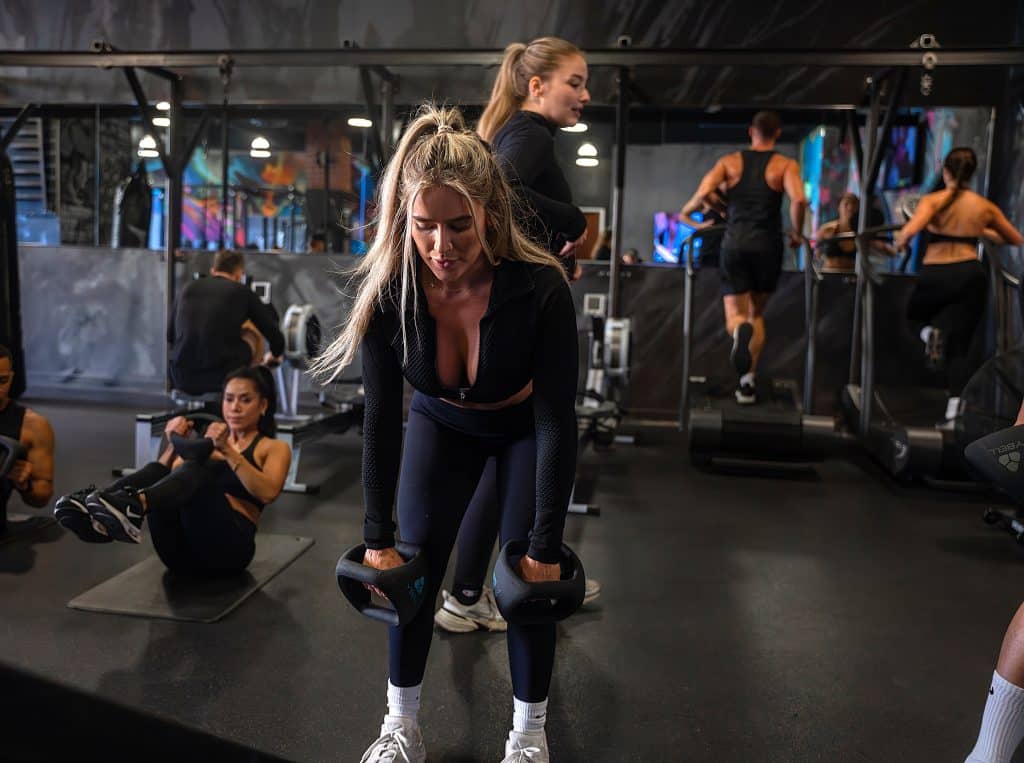
Fit Athletic
Public Relations Manager Emily Waybright
What fitness trend will define 2026?
In 2026, we think the biggest shift will be away from fitness being treated as a single daily task and toward it becoming part of how people structure their lives. At Fit, we see members using the gym as an extension of their routine. They’re training hard, taking recovery seriously, grabbing a coffee, working between sessions, and connecting with people who share similar goals. The gyms that will stand out are the ones that create environments people want to return to consistently, not just places to check a workout off a list.
What are gyms doing differently from five years ago?
Five years ago, recovery was often something people did on their own or only when they were injured. Now, it’s intentionally built into how people train. We see members planning recovery the same way they plan workouts; using cold plunges, compression, sauna, and mobility work as tools to stay consistent and avoid burnout. That shift has changed how gyms operate and how members think about progress, moving the focus from short-term results to long-term performance and longevity.
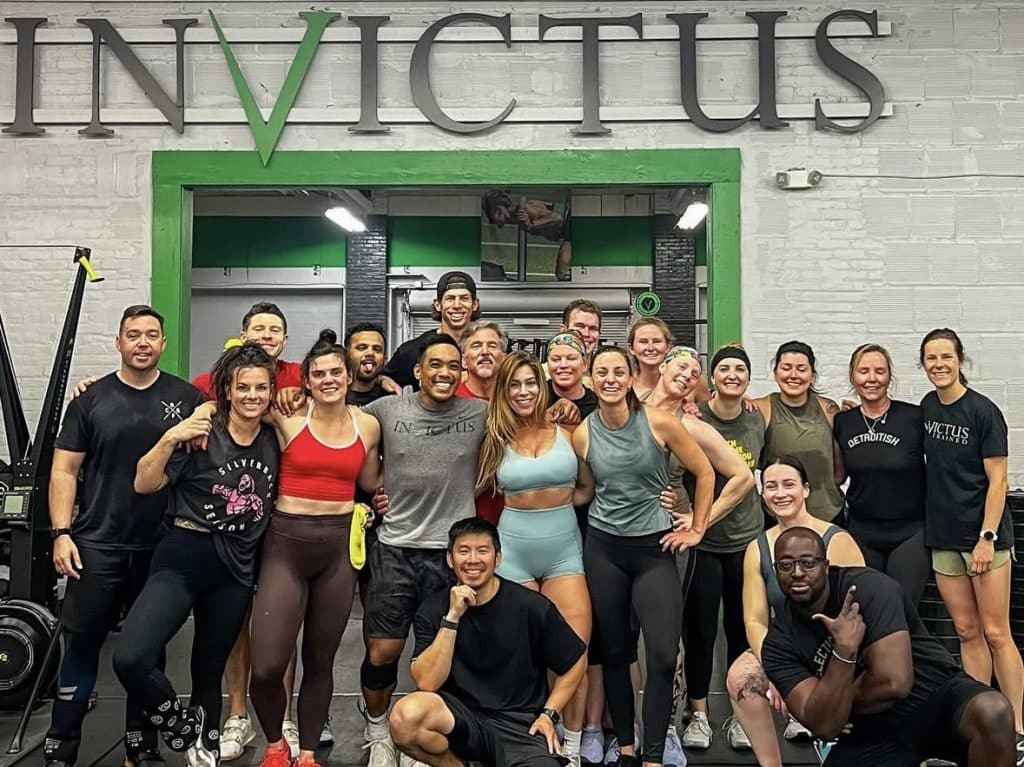
Invictus Fitness
Head Coach and Manager Kim McLaughlin
What fitness trend will define 2026?
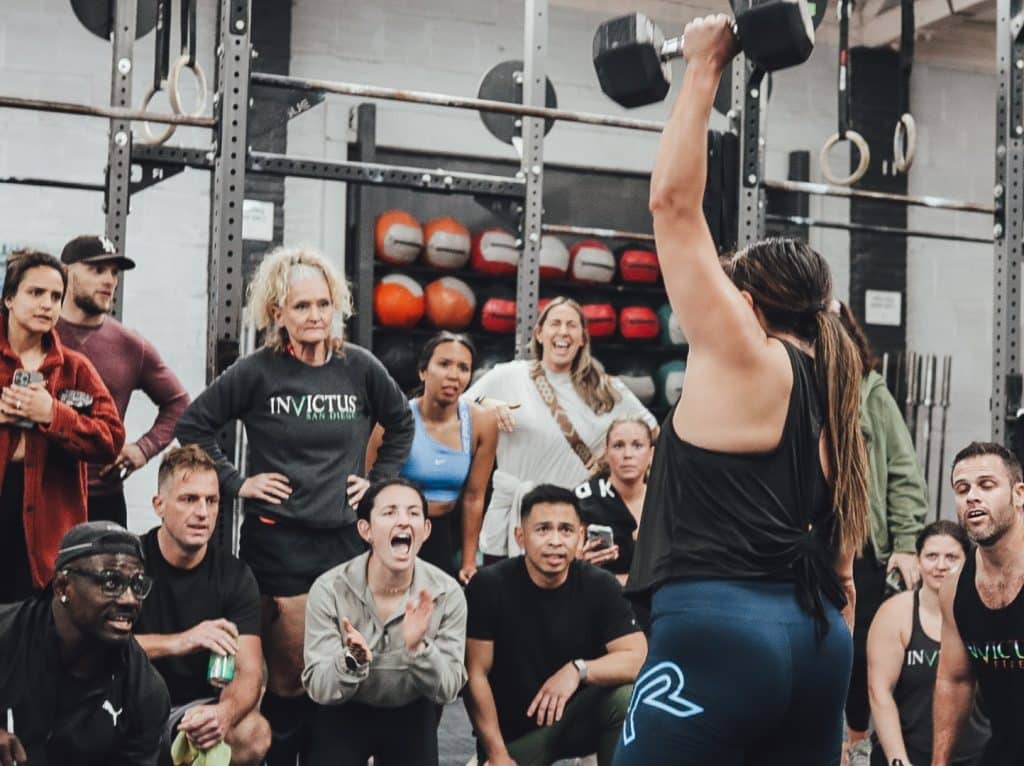
People want versatility, not tribalism. They will still search out a strong community vibe at brick-and-mortar gyms but inside that community they will be looking for a hybrid-style training. That means they want their fitness to prepare them for anything—from daily life to recreational sports. The gym experience needs to be tailored to the individual’s needs, limitations, and goals, and there has to be measurable proof that the program works. That proof can be shown through body composition scans, pictures, wearables, or benchmark testing. It isn’t about choosing between strength or cardio anymore. It’s about smart, sustainable training that people can stick with long-term.
What are gyms doing differently from five years ago?
Gyms are no longer identified by a single training style such as “CrossFit” or “Orange Theory.” Instead, they are offering a wide variety of training options — strength, cardio, hybrid, body-building, mobility, etc. — that can be tailored to an individual’s goals. Gyms are focusing on more coach-led training, ongoing goal conversations, smarter use of data and feedback, and creating community and connections that matter regardless of the choice of fitness style.
Pilates of San Diego
Founder Ania London
What fitness trend will define 2026?
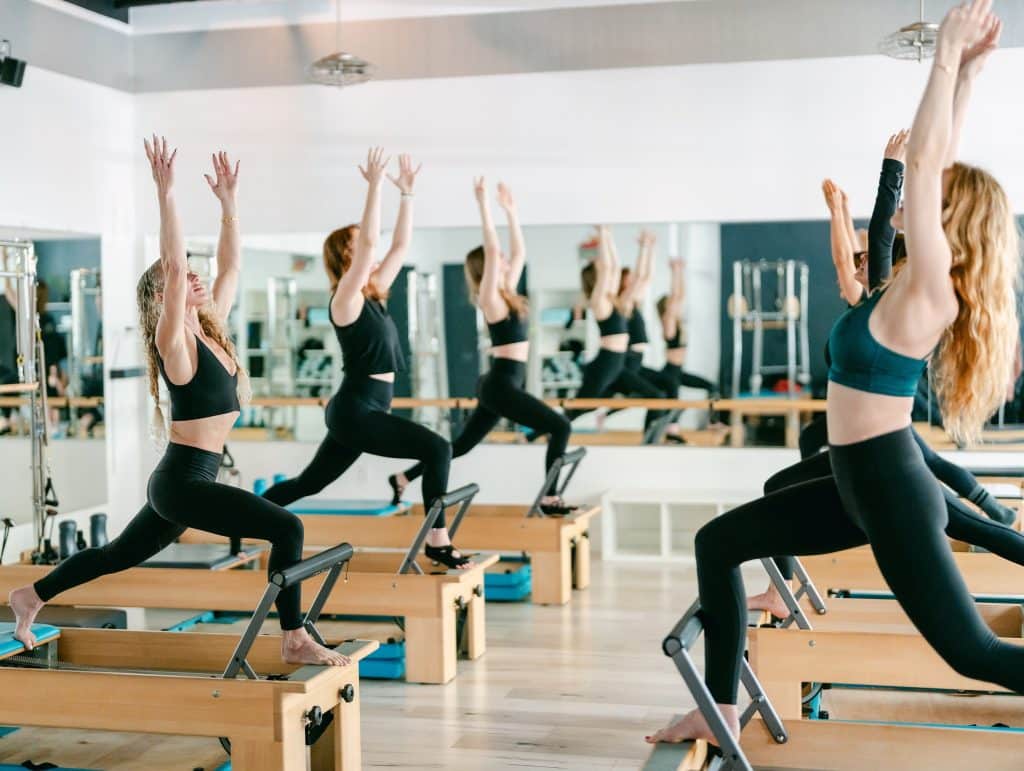
Longevity-focused, low-impact strength, blending Pilates, physical therapy principles, and recovery into one cohesive practice. People will prioritize movement that supports joint health, nervous system regulation, and long-term independence over high-intensity burnout workouts. Studios that succeed will position fitness as preventive healthcare, not just exercise.
What are gyms doing differently from five years ago?
Pilates studios today operate more like wellness hubs, offering recovery, longevity, and highly personalized programming—not just workouts. They focus far more on community, relationships, and retention, with semi-private formats and client-specific care replacing high-volume class models. Transparency around pricing, instructor value, and overall health outcomes has become the norm, positioning Pilates as an investment in long-term well-being rather than a drop-in fitness class.
Heroic Athletic Club
Fitness Coach & Co-Owner Luke Jensen
What fitness trend will define 2026?
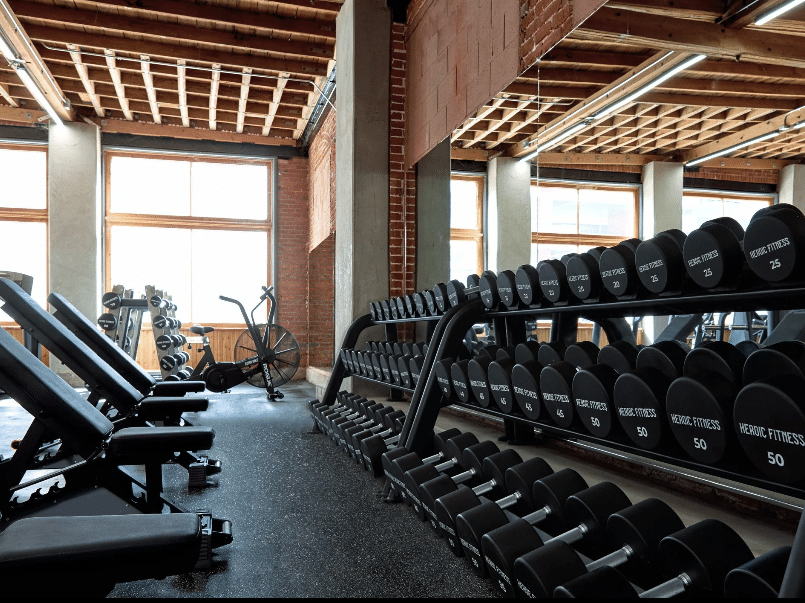
The future of fitness is no longer about isolated workouts—it’s about integrated lifestyle ecosystems. People want more than a place to train; they want an environment that supports their body, mind and professional life. We are San Diego’s first Athletic and Business Club. Our members can train on strength equipment, pickleball courts and golf simulators to meet their athletic goals, while also accessing group classes. We pair this with recovery and wellness tools like red light therapy and saunas to support longevity and daily performance. The most successful fitness environments will be those that immerse members in a holistic experience where health, connection and ambition all thrive under one roof.
What are gyms doing differently from five years ago?
One of the most important shifts we’ve seen in the fitness industry is a stronger focus on social impact and purpose-driven community building. Five years ago, most gyms existed primarily as transactional spaces centered around workouts. Today, leading fitness brands are becoming platforms for connection, service and meaningful contribution. SDSun