
Eggs have been in the news of late: They’ve been recalled because of the bird flu, they’re scarce and prices have increased.
A CBS News analysis of data from Consumer Price Index shows the average price of eggs has more than doubled from $1.55 in 2019 to $4.99 in 2025. Prices in San Diego are higher than that and the USDA predicts costs will jump another 40% this year.
Eggs are integral in capturing economic and political pulses. The San Diego Sun canvassed downtown San Diegans to get people’s thoughts on the subject.
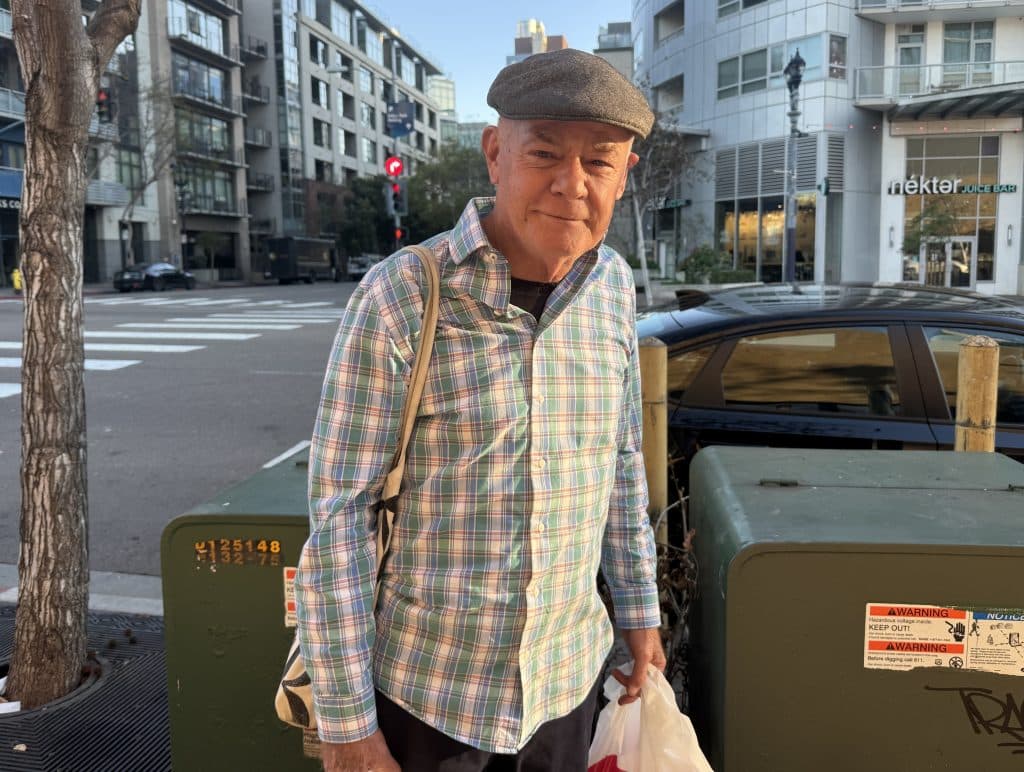
East Village resident Peter Morris, 37, buys eggs from an independent farmer. He says egg prices are “crippling.”
Morris last bought eggs from the Grocery Outlet on Market Street. A check on the shelves there showed a dozen grade A medium eggs are $11.49.
“I’ve noticed that Costco doesn’t have any eggs, and I hear that could be due to bird flu – so yeah, egg prices are not good,” Morris says. “But like everything else, it’s all going up.”
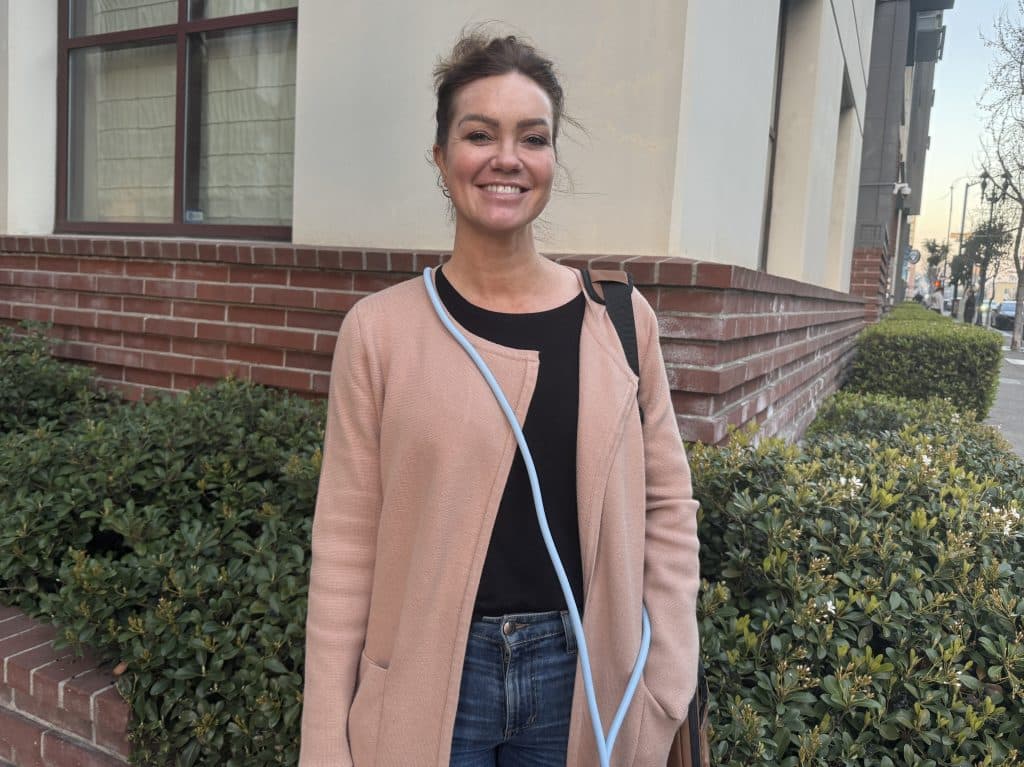
East Village resident Tiffany Tapella, 45, last went shopping for eggs two weeks ago at Costco. She doesn’t remember the price but recalls the ones she wanted were sold out.
Tapella works in the restaurant industry. Following an increase in the price of eggs, the price of egg dishes at restaurants also increased. She concurs the price of everything is going up.
“The price of all consumer goods has gone up insanely…which is why, when you go to the restaurant, your bill is higher,” Tapella says. “If [the restaurant uses] fresh, organic – it’s all gone up.”
Some residents, like East Village’s Antonio Najera, 78, believe egg prices will fall. He attributes the rising cost to passing events like the bird flu. He also believes that when prices fall, egg quality will also fall.
“I bought some medium eggs, and they’re the smallest eggs I’ve ever seen in my life,” Najera says. “I used four, because they were so small.”
Najera spent $8.99 for a dozen organic eggs at Grocery Outlet. He believes egg prices will fall because the price for other goods, like milk, haven’t increased [as much]. Egg prices are most commonly referred to as “recession indicators” because their shelf life is short and that industry is most-disrupted, he says.

For East Village resident Joshua Miller, 37, eggs are “the most versatile” and commonly eaten. He last spent $8.99 for Grocery Outlet’s organic eggs.
“I’ve been foregoing eggs for breakfast,” Miller says. “To buy much of anything anymore, even at Grocery Outlet, which is, like, the discount place – that’s way more expensive than I can afford.”
Some residents account for the increase in egg price differently.
East Villagers Phil and Joan Mendelson buy organic eggs at either Ralph’s or Grocery Outlet, depending on which they’re closer to that day. They recently bought organic free-range eggs.
Phil claims that egg price increases are politically-motivated, specifically citing “who’s paying the Democratic Party on a foreign level.”
Speculation about eggs is prevalent. Two other East Village residents also say increased egg prices can be blamed on the Biden administration.

To East Village resident Joseph Lavery, 67, it doesn’t matter so much that egg prices are going up – just that something should be done about it.
“I don’t know why Biden and Kamala Harris didn’t do it; they should have given the people an inflation stimulus as well as an inflation gas check,” Lavery says. “The government should be taking care of us. That’s why we pay taxes – so that the government can give stimulus checks. It should not be happening, from the eggs, to all the other stuff, like gas.”
Lavery doesn’t buy eggs anymore. In fact, he doesn’t buy much of anything anymore in grocery stores.
As a veteran, he believes that too much money is spent abroad and not enough money is spent on domestic issues like inflation.
“We’re sending billions of dollars to Ukraine, but what are we doing for the people here?” Lavery asks. “Aren’t you supposed to be thinking about your own people here?” SDSun